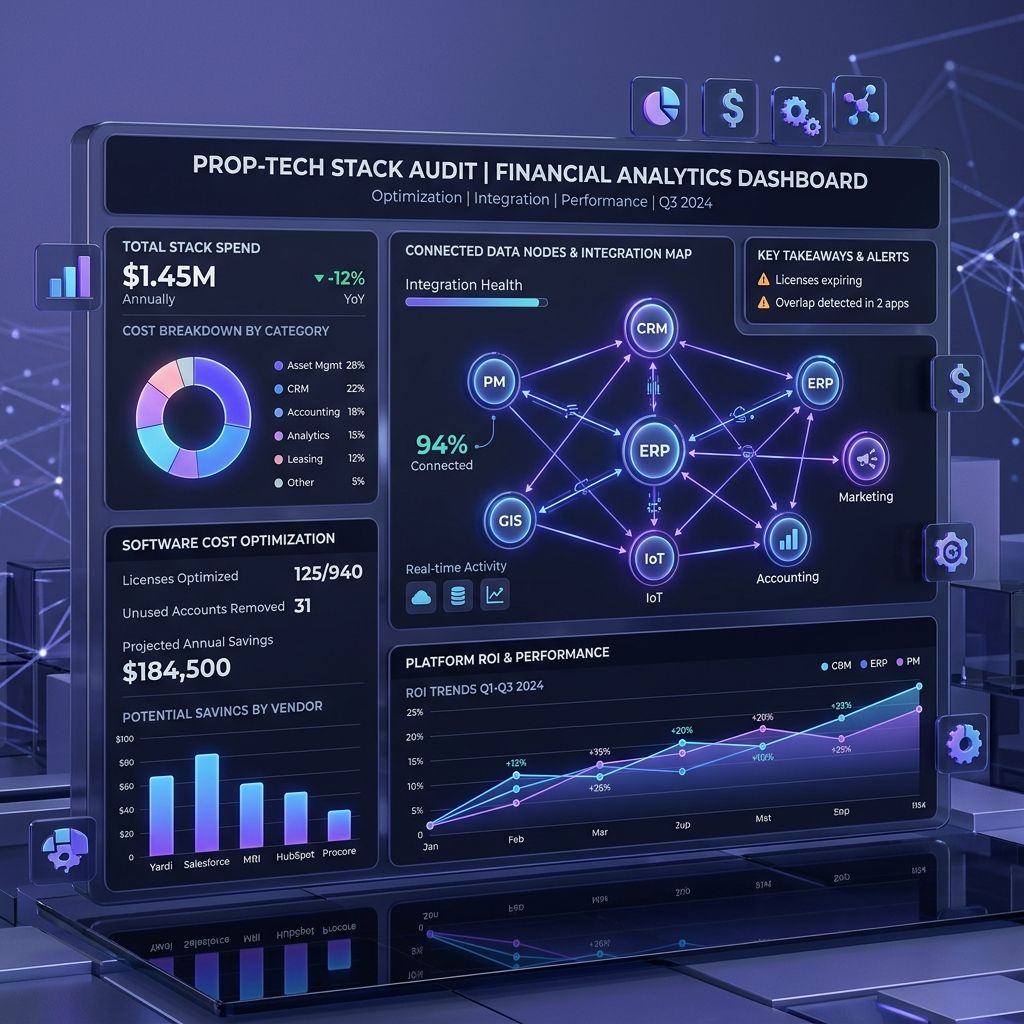


Integrating AI into PropTech Architecture: Best Practices for Scale & Performance
Real Estate Tech

Integrating AI into PropTech Architecture: Best Practices for Scale & Performance

AP
Ankit Patel
Fractional CTO and Technology Partner
Aug 13, 2026 7 min read
Integrating AI into PropTech Architecture: Best Practices for Scale & Performance

A practical developer and executive blueprint for integrating Large Language Models and predictive analytics into enterprise real estate platforms.

Share with your network

Introduction to AI Integration

Adding 'AI-powered' labels to software product marketing is easy. Building deterministic, high-throughput, low-latency AI features that handle millions of MLS records without breaking the bank is an engineering challenge.

1. The AI Mandate in PropTech

Brokers and consumers no longer tolerate slow search filters. They expect natural language understanding, automated valuation estimates, and intelligent property matching.

2. Building Reliable RAG Pipelines

To prevent LLM hallucinations when answering property questions, developers must implement Retrieval-Augmented Generation (RAG). By fetching accurate database records first and embedding them into the model context, responses remain grounded in facts.

3. Managing Latency & Token Costs

High token latency ruins user experience. Implementing streaming responses, semantic caching, and local light-weight models for initial classification keeps responses under 300ms.

4. Data Privacy & Compliance

Ensuring private client notes, unlisted pocket properties, and confidential seller instructions never enter public LLM training sets is a fundamental prerequisite.

AP
Ankit Patel
Fractional CTO and Technology Partner

Ankit Patel is a Fractional CTO and Technology Partner with strong expertise in AI solutions, custom software development, mobile applications, and digital transformation.

Related Articles

View All Posts